
Elimination Diet vs AIP Diet: Which Approach Is Right for You?
Understand the key differences between the standard elimination diet and the Autoimmune Protocol (AIP) diet, and discover which approach is best for your health goals.
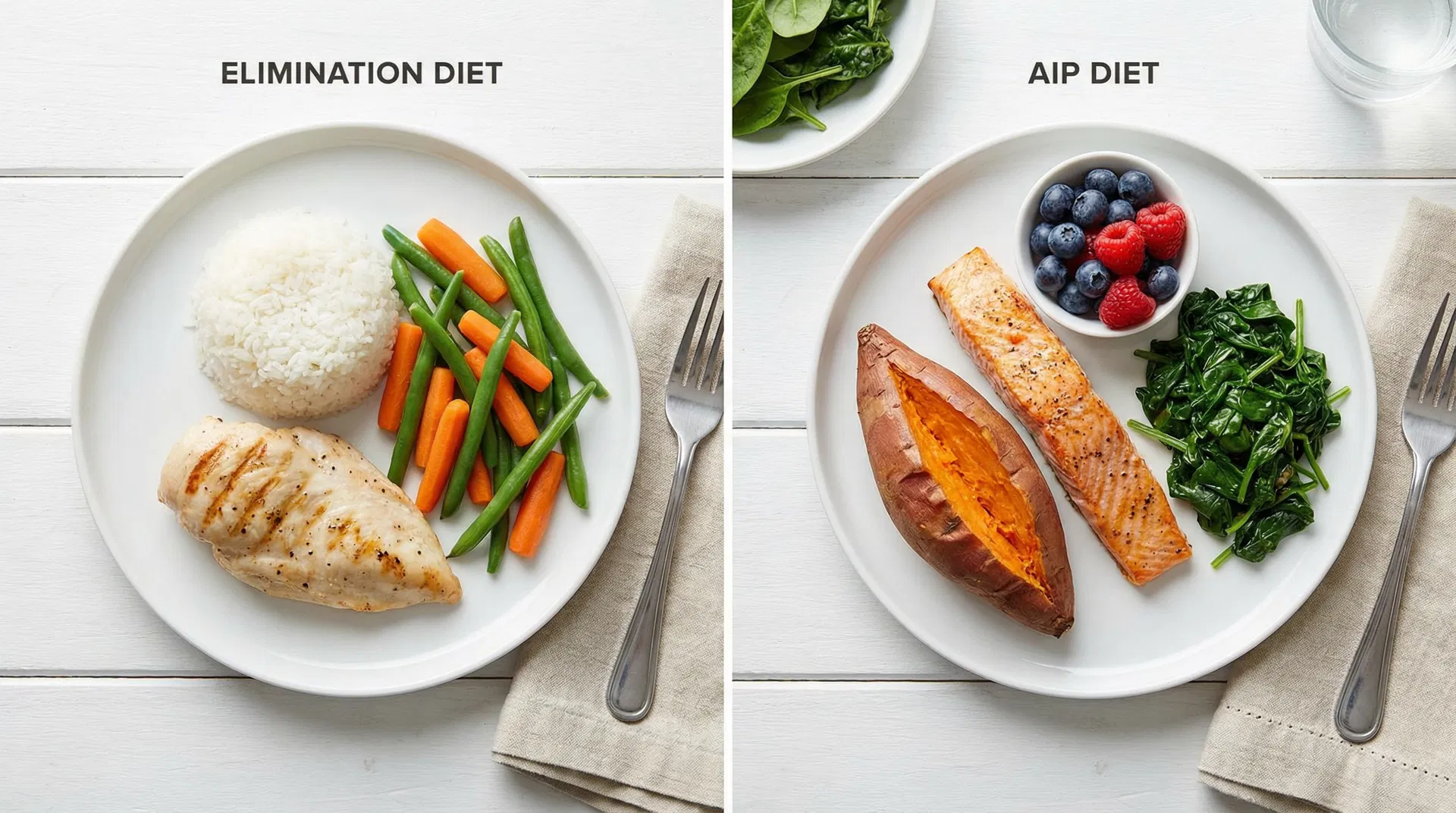
Elimination Diet vs AIP Diet: Which Approach Is Right for You?
If you've been researching ways to identify food triggers or manage chronic health issues, you've likely encountered two popular approaches: the standard Elimination Diet and the Autoimmune Protocol (AIP) Diet. While both involve temporarily removing foods from your diet and reintroducing them systematically, they serve different purposes, target different conditions, and vary significantly in their restrictiveness.
Understanding the key differences between these two approaches can help you choose the right path for your family's health journey. This comprehensive guide breaks down everything you need to know about each diet, who they're designed for, and how to decide which one makes sense for your situation.
What Is the Standard Elimination Diet?
The standard elimination diet is widely recognized by allergists, gastroenterologists, and pediatricians as the gold standard method for identifying food allergies, sensitivities, and intolerances. This evidence-based approach focuses on temporarily removing the most common food allergens from your diet, then systematically reintroducing them one at a time to pinpoint which foods trigger symptoms.
Foods Eliminated in the Standard Elimination Diet
The standard elimination diet removes what are known as the "Top 8" (or "Top 9") major food allergens, which account for approximately 90% of all food allergic reactions. These include:
- Dairy (milk, cheese, yogurt, butter)
- Eggs (whole eggs and egg-containing products)
- Wheat (bread, pasta, cereals)
- Soy (tofu, soy sauce, edamame)
- Peanuts (peanut butter, peanut oil)
- Tree nuts (almonds, walnuts, cashews)
- Fish (salmon, tuna, cod)
- Shellfish (shrimp, crab, lobster)
- Sesame (added as the 9th major allergen in 2023)
Duration and Timeline
The standard elimination diet typically follows this timeline:
Elimination Phase: 2-4 weeks (30 days recommended)
During this phase, you completely avoid all eight (or nine) major allergens while keeping a detailed food and symptom diary. While some people see improvements in as little as 2 weeks, a full 30-day elimination period is recommended by many practitioners to ensure all potential reactions are identified. This is especially important for delayed sensitivities that may take longer to clear from your system.
Reintroduction Phase: 4-8 weeks
You reintroduce one food at a time, waiting 5-7 days between each new food to monitor for reactions. This systematic approach helps you identify exactly which foods cause symptoms. With 8-9 major allergen groups to test, this phase typically takes 6-8 weeks to complete thoroughly.
Maintenance Phase: Ongoing
Once you've identified your triggers, you continue avoiding only those specific foods while enjoying everything else without restriction.
Who Should Use the Standard Elimination Diet?
The standard elimination diet is ideal for:
- Children and adults with suspected food allergies (hives, swelling, anaphylaxis)
- People experiencing eczema or skin rashes that may be food-related
- Individuals with digestive issues like bloating, gas, diarrhea, or stomach pain
- Children with behavioral issues potentially linked to food sensitivities
- Anyone seeking to identify food triggers without expensive or unreliable testing
This approach is particularly well-suited for families because it's less restrictive than other elimination protocols, making it easier to follow with children and maintain social eating situations.
What Is the Autoimmune Protocol (AIP) Diet?
The Autoimmune Protocol (AIP) diet is a more intensive elimination diet specifically designed for people with autoimmune diseases. Based on the Paleo diet framework, AIP takes a much broader approach by removing a wider range of foods believed to contribute to inflammation, intestinal permeability ("leaky gut"), and immune system dysfunction.
Foods Eliminated in the AIP Diet
The AIP diet is significantly more restrictive than the standard elimination diet. During the elimination phase, you must avoid:
All grains: rice, wheat, oats, barley, rye, quinoa, corn
All legumes: beans, lentils, peas, peanuts, soy
All dairy: milk, cheese, yogurt, butter, ghee
All eggs: whole eggs and egg whites
All nuts and seeds: almonds, walnuts, chia seeds, flaxseeds, sunflower seeds
Nightshade vegetables: tomatoes, potatoes, eggplant, peppers, paprika
Processed vegetable oils: canola, corn, soybean, sunflower oils
Refined sugars: cane sugar, corn syrup, artificial sweeteners
Food additives: preservatives, emulsifiers, thickeners
Alcohol and coffee: all alcoholic beverages and caffeine
NSAIDs: ibuprofen, naproxen, aspirin (non-food but part of protocol)
Additionally, AIP emphasizes consuming nutrient-dense whole foods including grass-fed meats, organ meats, wild-caught fish, vegetables (except nightshades), fermented foods, and bone broth.
Duration and Timeline
The AIP diet follows a longer, more gradual timeline:
Elimination Phase: 30-90 days (or longer)
This phase continues until you experience a noticeable reduction in symptoms. Some people see improvements within 3 weeks, while others need 2-3 months.
Reintroduction Phase: Several months
Foods are reintroduced one at a time with 5-7 days between each new food. Because so many foods are eliminated, the reintroduction phase can take several months to complete.
Personalized Maintenance Phase: Ongoing
You continue avoiding foods that trigger symptoms while reintroducing well-tolerated foods to achieve the widest dietary variety possible.
Who Should Use the AIP Diet?
The AIP diet is specifically designed for people with autoimmune conditions, including:
- Hashimoto's thyroiditis (autoimmune thyroid disease)
- Rheumatoid arthritis (joint inflammation)
- Inflammatory bowel disease (IBD): Crohn's disease and ulcerative colitis
- Lupus (systemic autoimmune disease)
- Psoriasis (autoimmune skin condition)
- Multiple sclerosis (MS)
- Type 1 diabetes
- Celiac disease
AIP is not typically recommended for people simply trying to identify food allergies or sensitivities without an underlying autoimmune diagnosis.
Side-by-Side Comparison: Elimination Diet vs AIP
| Feature | Standard Elimination Diet | Autoimmune Protocol (AIP) |
|-------------|-------------------------------|-------------------------------|
| Primary Purpose | Identify food allergies, sensitivities, and intolerances | Reduce inflammation and manage autoimmune disease symptoms |
| Target Conditions | Food allergies, eczema, digestive issues, behavioral problems | Autoimmune diseases (Hashimoto's, RA, IBD, lupus, psoriasis) |
| Foods Eliminated | Top 8-9 major allergens (dairy, eggs, wheat, soy, peanuts, tree nuts, fish, shellfish, sesame) | Grains, legumes, dairy, eggs, nuts, seeds, nightshades, processed foods, alcohol, coffee, NSAIDs |
| Elimination Duration | 2-4 weeks (30 days recommended) | 30-90 days (or until symptoms improve) |
| Reintroduction Timeline | 4-8 weeks (5-7 days per food) | Several months (5-7 days per food) |
| Restrictiveness | Moderate (removes 8-9 food groups) | Very high (removes 15+ food groups) |
| Ease of Following | Easier for families and children | Challenging, requires significant meal planning |
| Medical Support | Recommended by allergists and gastroenterologists | Popular in functional medicine, limited mainstream medical support |
| Scientific Evidence | Strong evidence as gold standard for food allergy identification | Limited but promising research, mostly small studies |
| Cost | Low (no expensive tests required) | Low to moderate (may require supplements due to restrictions) |
| Social Eating | Manageable with planning | Very difficult, highly restrictive |
| Long-Term Sustainability | High (only avoid identified triggers) | Moderate (less restrictive after reintroduction) |
Key Differences Explained
1. Purpose and Goals
The most fundamental difference between these two approaches lies in their intended purpose.
The standard elimination diet is a diagnostic tool. Its primary goal is to help you identify which specific foods cause allergic reactions or sensitivity symptoms. Once you've identified your triggers, you avoid only those foods and continue eating everything else normally. This approach is straightforward, practical, and focused on answering the question: "Which foods are causing my symptoms?"
The AIP diet, on the other hand, is both a diagnostic tool and a therapeutic intervention. It aims not only to identify food triggers but also to actively reduce systemic inflammation, heal intestinal permeability, and modulate immune system function in people with autoimmune diseases. AIP operates on the theory that certain foods contribute to "leaky gut" and immune dysregulation, and that removing these foods can help calm an overactive immune system.
2. Level of Restriction
The standard elimination diet removes 8-9 major food groups, which sounds like a lot but still leaves plenty of dietary variety. You can still eat rice, potatoes, most vegetables, most fruits, chicken, beef, pork, olive oil, and many other foods. This makes it relatively manageable for families, especially those with young children.
The AIP diet is far more restrictive. By eliminating grains, legumes, nightshades, nuts, seeds, eggs, and dairy all at once, you're left with a much narrower range of acceptable foods. For example, you can't have rice, quinoa, oats, tomatoes, potatoes, peppers, or even common spices like cumin or paprika. This level of restriction requires extensive meal planning, label reading, and often makes social eating extremely challenging.
3. Duration and Time Commitment
The standard elimination diet typically takes 2-3 months to complete properly when you include both the 30-day elimination phase and the 6-8 week reintroduction phase. While this may seem like a significant time commitment, it's actually quite manageable compared to more restrictive protocols, and it provides definitive answers about your food triggers. Having a structured meal plan makes this process much easier for busy families.
The AIP diet requires a much longer commitment. The elimination phase alone typically lasts 30-90 days, and the reintroduction phase can take several additional months because you're testing so many more foods. Some people remain on modified AIP protocols for years, continuing to avoid foods that trigger symptoms even after the formal reintroduction phase ends.
4. Evidence Base and Medical Support
The standard elimination diet has strong support from mainstream medical organizations, including the American Academy of Allergy, Asthma & Immunology and the American College of Gastroenterology. It's routinely recommended by allergists, gastroenterologists, and pediatricians as the most reliable method for identifying food triggers.
The AIP diet has less robust scientific support, though emerging research is promising. A few small studies have shown that AIP may reduce symptoms in people with Hashimoto's thyroiditis and inflammatory bowel disease, but larger, controlled trials are still needed. AIP is more commonly recommended by functional medicine practitioners than by conventional physicians.
5. Suitability for Children and Families
The standard elimination diet is generally considered safe and manageable for children when supervised by a healthcare provider. Because it's less restrictive and shorter in duration, it's easier for kids to follow and less likely to cause nutritional deficiencies or social isolation.
The AIP diet is more challenging for children. The extreme level of restriction can make it difficult to ensure adequate nutrition, especially for growing kids who need sufficient calories, protein, and micronutrients. Additionally, the social aspects of eating—school lunches, birthday parties, playdates—become significantly more complicated on AIP. For these reasons, AIP is rarely recommended for children unless they have a severe autoimmune condition and are working closely with a healthcare team.
Which Diet Should You Choose?
Choosing between the standard elimination diet and AIP depends on your specific health situation, goals, and capacity for dietary restriction.
Choose the Standard Elimination Diet If:
✅ You suspect you have food allergies or sensitivities but don't have an autoimmune disease
✅ Your child has eczema, digestive issues, or behavioral problems that might be food-related
✅ You want a shorter, less restrictive approach that's easier to follow
✅ You're looking for the gold standard method recommended by mainstream medicine
✅ You want to identify specific food triggers without unnecessary restriction
✅ You need an approach that's family-friendly and socially manageable
Choose the AIP Diet If:
✅ You have a diagnosed autoimmune disease (Hashimoto's, RA, IBD, lupus, psoriasis, etc.)
✅ You've already tried less restrictive approaches without success
✅ You're willing to commit to 30-90 days of intensive dietary restriction
✅ You have support from a healthcare provider or dietitian familiar with AIP
✅ You're prepared for the social and practical challenges of a highly restrictive diet
✅ You're interested in exploring the connection between diet and autoimmune inflammation
When to Consider a Hybrid Approach
Some people benefit from a middle-ground approach. For example, if you have an autoimmune condition but find full AIP too restrictive, you might start with the standard elimination diet and then add additional restrictions (like nightshades or grains) if needed. Alternatively, if you've completed AIP and identified your triggers, you might transition to a less restrictive maintenance phase that resembles the standard elimination diet.
Practical Tips for Success
Regardless of which approach you choose, these strategies will help you succeed:
1. Work with a Healthcare Professional
Both diets benefit from professional guidance. A registered dietitian can help you plan nutritionally balanced meals, ensure you're not missing essential nutrients, and guide you through the reintroduction process. If you have an autoimmune disease, work with your rheumatologist, gastroenterologist, or endocrinologist to ensure your diet complements your medical treatment.
2. Keep a Detailed Food and Symptom Diary
Success with either diet depends on careful tracking. Record everything you eat, the time you ate it, and any symptoms you experience (including timing and severity). This data will be invaluable during the reintroduction phase when you're trying to identify specific triggers. Our [90-Day Symptom Journal](/shop) provides structured templates for tracking symptoms, foods, and reactions throughout your entire elimination and reintroduction journey.
3. Plan Your Meals in Advance
Both diets require more planning than your typical eating pattern. Spend time each week planning meals, creating shopping lists, and preparing foods in advance. Batch cooking and freezing meals can make the process much more manageable. If you're following the standard elimination diet, our [30-Day Elimination Diet Menu](/shop) takes all the guesswork out of meal planning with complete daily menus, recipes, and shopping lists.
4. Read Labels Carefully
Hidden ingredients are everywhere. Dairy can hide in "natural flavors," wheat appears in soy sauce, and eggs show up in unexpected places like some pasta. Learn to read ingredient labels thoroughly and familiarize yourself with alternative names for common allergens.
5. Communicate with Family and Friends
Let your support network know what you're doing and why. This makes social situations easier and helps ensure that well-meaning friends and family don't accidentally offer you foods you're avoiding.
6. Be Patient with the Process
Both diets take time to yield results. You might not see improvements immediately, and the reintroduction phase requires patience and discipline. Trust the process and resist the urge to rush through reintroductions.
7. Consider Nutritional Supplements
Especially with AIP, you may need supplements to prevent deficiencies. Common supplements include vitamin D, omega-3 fatty acids, B vitamins, and minerals like calcium and magnesium. Discuss supplementation with your healthcare provider.
Common Misconceptions
Misconception #1: "AIP is just a stricter version of the elimination diet"
While AIP is more restrictive, it's not simply a "stricter" elimination diet. The two approaches have different goals: one is primarily diagnostic (identifying food triggers), while the other is therapeutic (reducing autoimmune inflammation). They're related but distinct protocols.
Misconception #2: "Everyone with food sensitivities should try AIP"
AIP is specifically designed for autoimmune diseases, not general food sensitivities. If you don't have an autoimmune condition, the standard elimination diet is more appropriate and will give you the information you need without unnecessary restriction.
Misconception #3: "You have to stay on these diets forever"
Both diets are temporary elimination protocols, not lifelong eating plans. The goal is to identify your personal triggers and then reintroduce as many foods as possible. You only continue avoiding foods that cause symptoms.
Misconception #4: "These diets cure autoimmune diseases"
While AIP may help manage symptoms and reduce inflammation, it does not cure autoimmune diseases. Diet is one tool among many (including medication, stress management, and sleep) for managing autoimmune conditions.
Misconception #5: "Blood tests can replace elimination diets"
IgG food sensitivity tests and other commercial allergy panels are not reliable substitutes for elimination diets. The elimination diet remains the gold standard because it tests your actual reaction to foods in real-world conditions, not just antibody levels in a lab.
The Bottom Line
Both the standard elimination diet and the Autoimmune Protocol (AIP) diet are valuable tools for identifying food triggers and managing chronic health conditions, but they serve different purposes and suit different situations.
The standard elimination diet is the best choice for most people seeking to identify food allergies, sensitivities, or intolerances. It's evidence-based, relatively easy to follow, family-friendly, and recommended by mainstream medical professionals. If you're dealing with eczema, digestive issues, or suspected food reactions without an autoimmune diagnosis, start here.
The AIP diet is specifically designed for people with autoimmune diseases who want to explore the connection between diet and immune function. It's more restrictive, requires a longer commitment, and is best undertaken with professional support. If you have Hashimoto's, rheumatoid arthritis, IBD, or another autoimmune condition and haven't found relief through other approaches, AIP may be worth considering.
Ultimately, the "right" diet is the one that helps you identify your triggers, improves your symptoms, and fits realistically into your life. Whether you choose the standard elimination diet, AIP, or a hybrid approach, the key is to approach the process systematically, track your results carefully, and work with healthcare professionals who can guide you toward better health.
Ready to Get Started?
If you've decided the standard elimination diet is right for you, having the right tools makes all the difference between success and frustration.
Essential Resources for Your Elimination Diet Journey:
[30-Day Elimination Diet Menu](/shop) - Take the guesswork out of meal planning with our complete 30-day menu featuring allergen-free breakfast, lunch, dinner, and snack ideas. Each day is carefully planned to ensure nutritional balance while eliminating all major allergens. Includes shopping lists and simple recipes the whole family will enjoy.
[90-Day Symptom Journal](/shop) - Track your entire elimination and reintroduction journey with our comprehensive symptom tracking journal. Designed specifically for the full elimination diet process (30 days elimination + 60 days reintroduction), this journal helps you identify patterns, document reactions, and keep all your findings in one organized place.
Additional Reading:
- [Complete Guide to Elimination Diets for Kids](/blog/elimination-diet-guide-for-kids) - Step-by-step instructions for families
- [Food Allergy Testing: What Works & What Doesn't](/blog/food-allergy-testing-guide) - Understanding your testing options
For personalized guidance, always consult with your healthcare provider or a registered dietitian who can tailor these approaches to your specific needs.
This article is for informational purposes only and does not constitute medical advice. Always consult with a qualified healthcare professional before starting any elimination diet, especially if you have an autoimmune condition or are considering this approach for a child.
Ready to Identify Your Food Triggers?
Get our comprehensive elimination diet guides, meal plans, and symptom tracking tools.
Comments
No comments yet — be the first to share your thoughts!