The Hidden Connection Between Gut Health and Food Sensitivities
Discover how gut health influences food sensitivities, the role of the microbiome in allergic reactions, and evidence-based strategies to support digestive healing during elimination diets.
The Hidden Connection Between Gut Health and Food Sensitivities
When your child reacts to certain foods with digestive upset, skin rashes, or behavioral changes, the obvious culprit seems to be the food itself. But emerging research reveals a more complex story: the health of your child's gut—specifically the trillions of bacteria, fungi, and other microorganisms living in the digestive tract—plays a crucial role in determining whether the immune system tolerates foods or reacts to them.
Understanding the connection between gut health and food sensitivities can help you support your child's digestive system during an elimination diet, potentially improving outcomes and even helping your child develop tolerance to previously problematic foods.
The Gut Microbiome: Your Child's Internal Ecosystem
The human gut contains approximately 100 trillion microorganisms representing thousands of different species, collectively called the gut microbiome. This complex ecosystem performs essential functions: breaking down food components that human enzymes can't digest, producing vitamins like B12 and K, training the immune system to distinguish between harmless and harmful substances, and maintaining the integrity of the intestinal barrier.
In a healthy gut, beneficial bacteria dominate, keeping potentially harmful microbes in check and supporting proper immune function. However, factors like antibiotic use, cesarean birth, formula feeding, limited dietary diversity, chronic stress, and environmental toxins can disrupt this balance, creating a state called dysbiosis where harmful microbes proliferate and beneficial species decline.
Research published in leading gastroenterology journals has established clear links between gut dysbiosis and increased risk of food allergies and sensitivities. Children with food allergies have been found to have distinctly different gut microbiome compositions compared to children without allergies, with reduced diversity and lower levels of specific beneficial bacteria that promote immune tolerance.
The Intestinal Barrier and "Leaky Gut"
The lining of the intestine serves as a selective barrier, allowing nutrients to pass into the bloodstream while keeping out bacteria, undigested food particles, and toxins. This barrier consists of a single layer of cells held together by proteins called tight junctions. When functioning properly, this barrier is highly selective—but when compromised, it becomes "leaky," allowing substances that should stay in the gut to enter the bloodstream.
Increased intestinal permeability, commonly called "leaky gut," has been associated with food sensitivities and allergic conditions. When undigested food proteins cross a compromised intestinal barrier, the immune system may recognize them as foreign invaders and mount an immune response, potentially leading to food sensitivities or allergies.
Several factors can compromise intestinal barrier function: chronic inflammation from dysbiosis, certain medications (particularly NSAIDs and antibiotics), chronic stress, excessive alcohol consumption, and deficiencies in nutrients needed for barrier maintenance like zinc and vitamin D. In children, repeated viral infections and antibiotic courses during early life may contribute to barrier dysfunction.
How Dysbiosis Contributes to Food Sensitivities
The gut microbiome influences food sensitivity development through multiple mechanisms. Beneficial bacteria produce short-chain fatty acids (SCFAs) like butyrate, which serve as the primary fuel source for intestinal cells and help maintain tight junction integrity. When dysbiosis reduces SCFA-producing bacteria, the intestinal barrier weakens, increasing permeability.
The microbiome also directly trains the immune system. Specific beneficial bacteria promote the development of regulatory T cells, which suppress excessive immune responses and promote tolerance to harmless substances including food proteins. When these bacteria are depleted, the immune system becomes more reactive, increasing the likelihood of developing food sensitivities.
Certain bacteria can break down food proteins into smaller, less allergenic fragments before they encounter the immune system. When dysbiosis reduces these beneficial species, larger, more immunogenic protein fragments may reach the intestinal barrier, increasing the risk of immune reactions.
The microbiome also influences inflammation throughout the body. Dysbiosis promotes production of pro-inflammatory compounds that can worsen allergic conditions like eczema and asthma, while a healthy microbiome produces anti-inflammatory compounds that dampen allergic responses.
Supporting Gut Health During Elimination Diets
While elimination diets focus on removing trigger foods, simultaneously supporting gut health may improve outcomes and potentially accelerate healing. However, it's important to approach gut health interventions carefully, as some popular strategies lack strong evidence or may even worsen symptoms in certain individuals.
Dietary fiber feeds beneficial gut bacteria, which ferment it into SCFAs that support intestinal barrier function. During an elimination diet, ensure your child still consumes adequate fiber from safe sources like fruits, vegetables, and whole grains (if not eliminating gluten). Target 14 grams of fiber per 1000 calories consumed, adjusted for your child's age and calorie needs.
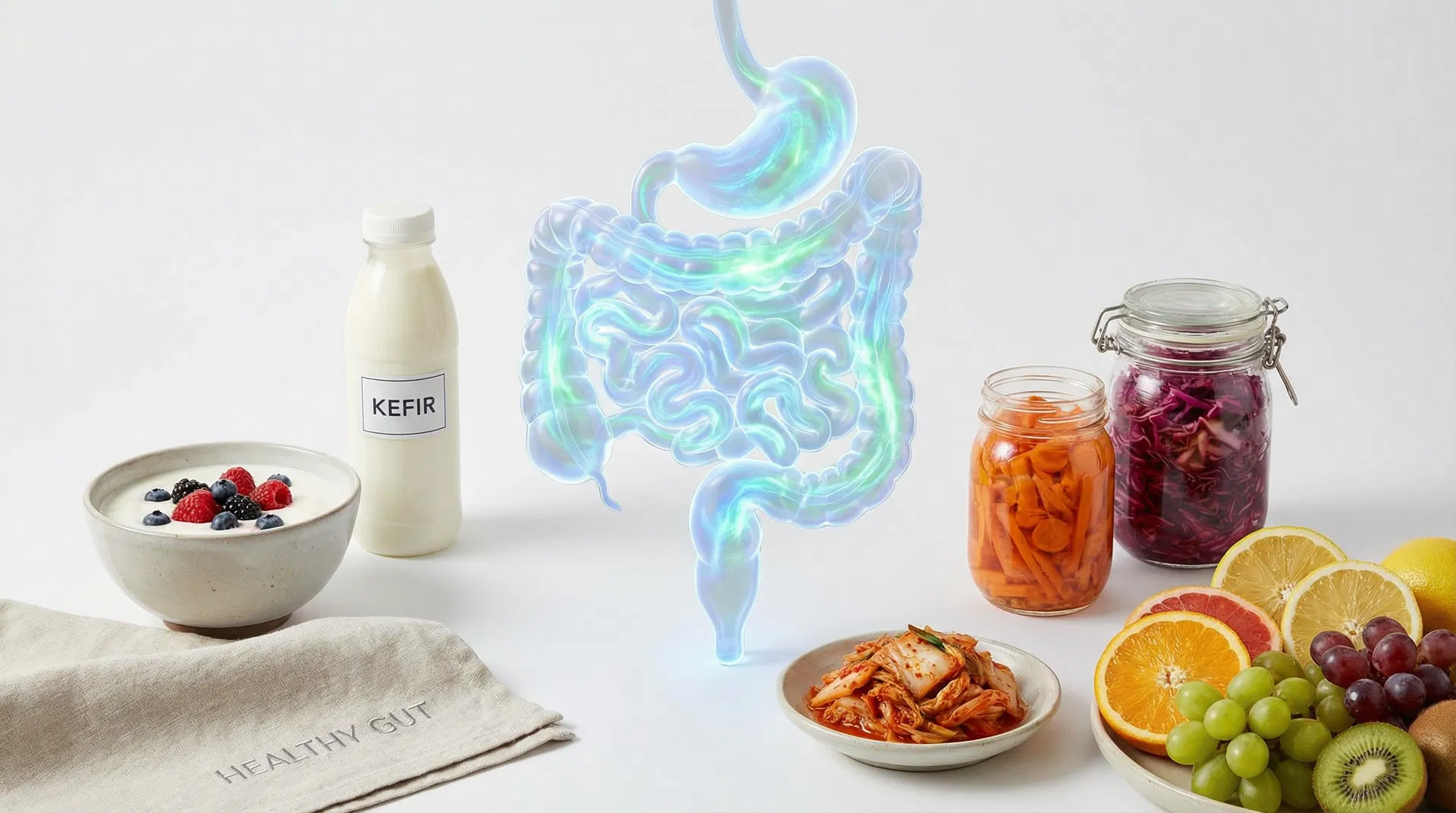
Fermented foods contain beneficial bacteria and may support microbiome diversity. Safe options during elimination diets might include plain yogurt (if dairy is safe), kefir, sauerkraut, kimchi (if tolerated), or fermented pickles. Introduce these foods gradually, as some children experience temporary digestive upset when first adding fermented foods.
Bone broth contains gelatin, collagen, and amino acids like glutamine that may support intestinal barrier healing. While research specifically on bone broth is limited, these components have been studied individually with promising results for gut health. Homemade bone broth from chicken, beef, or fish bones simmered for 12-24 hours can be consumed as a warm beverage or used as a base for soups.
Omega-3 fatty acids from fish oil have anti-inflammatory properties and may support intestinal barrier function. Studies suggest that adequate omega-3 intake during pregnancy and early childhood may reduce food allergy risk. Include fatty fish like salmon or sardines (if safe) 2-3 times weekly, or consider a high-quality fish oil supplement after consulting your pediatrician.
The Role of Probiotics: Promise and Limitations
Probiotics—supplements containing live beneficial bacteria—are heavily marketed for gut health and allergy prevention. The evidence supporting their use is mixed and highly strain-specific, meaning that benefits observed with one probiotic strain don't necessarily apply to others.
Some research suggests specific probiotic strains may help prevent eczema and food allergies when given to pregnant women, nursing mothers, or infants at high risk. However, studies on using probiotics to treat existing food allergies or sensitivities show inconsistent results. Some children improve, others show no change, and a small percentage experience worsening symptoms.
If you choose to try probiotics during your child's elimination diet, select products with strains that have been studied in children with allergic conditions, such as Lactobacillus rhamnosus GG or Bifidobacterium lactis. Start with low doses and increase gradually while monitoring symptoms. Discontinue if symptoms worsen.
Prebiotics—non-digestible fibers that feed beneficial gut bacteria—may be more effective than probiotics for some children. Prebiotic foods include garlic, onions, leeks, asparagus, bananas, oats, and apples. These foods support the growth of your child's existing beneficial bacteria rather than introducing new strains.
Factors That Harm Gut Health During Elimination Diets
While focusing on supporting gut health, also avoid factors that can worsen dysbiosis and barrier function. Unnecessary antibiotic use is one of the most significant disruptors of the gut microbiome. While antibiotics are essential for treating bacterial infections, they also kill beneficial gut bacteria, sometimes creating dysbiosis that persists for months or years.
If your child requires antibiotics during an elimination diet, consider giving probiotics during and after the antibiotic course to help restore beneficial bacteria. Space the probiotic dose several hours away from the antibiotic dose to prevent the antibiotic from killing the probiotic bacteria.
Excessive sugar and highly processed foods promote the growth of harmful bacteria and yeast while reducing beneficial species. During an elimination diet, focus on whole foods and minimize processed items, even if they're technically free of eliminated allergens. This dietary shift alone may improve gut health independent of removing trigger foods.
Chronic stress negatively impacts gut health through the gut-brain axis—the bidirectional communication between the nervous system and the digestive system. Stress alters gut motility, increases intestinal permeability, and changes microbiome composition. For children undergoing elimination diets (which can be stressful), prioritize stress management through adequate sleep, physical activity, and emotional support.
The Timeline of Gut Healing
Parents often ask how long it takes for the gut to heal after removing trigger foods. The answer varies significantly based on the severity of damage, the child's age, and individual factors. Some children show improvement within days, while others require weeks or months of consistent dietary changes before symptoms resolve.
The intestinal lining cells (enterocytes) turn over rapidly, replacing themselves every 3-5 days. This means that the physical barrier can potentially heal relatively quickly once inflammatory triggers are removed. However, restoring a healthy microbiome composition takes longer—studies suggest 2-4 weeks of dietary changes begin to shift microbiome composition, with more substantial changes occurring over months.
During the elimination phase of your diet, you're not just identifying trigger foods—you're also giving your child's gut time to heal. This is why the elimination phase typically lasts 2-4 weeks: it provides sufficient time for inflammation to decrease and the barrier to repair, making it easier to identify true food reactions during reintroduction.
Can Gut Healing Lead to Food Tolerance?
One of the most exciting questions in food allergy research is whether improving gut health can help children develop tolerance to previously problematic foods. While we don't have definitive answers yet, emerging evidence suggests this may be possible for some children, particularly those with non-IgE-mediated food sensitivities rather than true IgE-mediated allergies.
Some children who strictly avoid trigger foods while supporting gut health through diet, probiotics, and lifestyle factors find that they can successfully reintroduce previously problematic foods after 6-12 months. This is particularly common with food sensitivities (delayed reactions) rather than true allergies (immediate IgE-mediated reactions).
However, it's crucial to approach reintroduction carefully under medical supervision, especially for foods that previously caused severe reactions. Never attempt to reintroduce a food that caused anaphylaxis without guidance from an allergist, who may recommend conducting the reintroduction in a controlled medical setting.
Working with Healthcare Providers
While many gut health interventions can be implemented safely at home, working with healthcare providers ensures the best outcomes. A pediatric gastroenterologist can evaluate whether your child has underlying digestive conditions contributing to food sensitivities, such as inflammatory bowel disease, celiac disease, or eosinophilic esophagitis.
A registered dietitian can help you design an elimination diet that removes trigger foods while still providing adequate nutrition and supporting gut health. They can suggest appropriate fiber sources, recommend specific probiotic strains if appropriate, and ensure your child's diet supports overall health and development.
An integrative or functional medicine practitioner may offer additional gut health testing and interventions, though it's important to approach these with appropriate skepticism. Many gut health tests marketed to consumers lack scientific validation, and some recommended interventions are expensive with limited evidence. Discuss any testing or supplements with your child's pediatrician before proceeding.
The Bottom Line
The connection between gut health and food sensitivities is complex and multifaceted. While we're still learning exactly how the microbiome influences food tolerance, evidence clearly shows that supporting gut health during an elimination diet may improve outcomes and potentially help some children develop tolerance to previously problematic foods.
Focus on evidence-based strategies: adequate fiber from whole foods, fermented foods if tolerated, omega-3 fatty acids, and avoiding unnecessary antibiotics and excessive processed foods. Be patient—gut healing takes time, and improvements may be gradual rather than dramatic.
Most importantly, remember that gut health is just one piece of the food sensitivity puzzle. Genetics, environmental factors, and immune system development all play roles. A holistic approach that addresses multiple factors offers the best chance of helping your child thrive.
Ready to support your child's gut health during elimination? Our 30-Day Elimination Diet Menu emphasizes gut-healing whole foods and includes a guide to incorporating fermented foods and other gut-supportive strategies safely during the elimination phase.
Ready to Identify Your Food Triggers?
Get our comprehensive elimination diet guides, meal plans, and symptom tracking tools.
Comments
No comments yet — be the first to share your thoughts!