
Managing Eczema During Elimination Diets: A Complete Guide
Learn how to successfully manage your child's eczema while identifying food triggers through an elimination diet, with practical skincare routines and symptom tracking strategies.
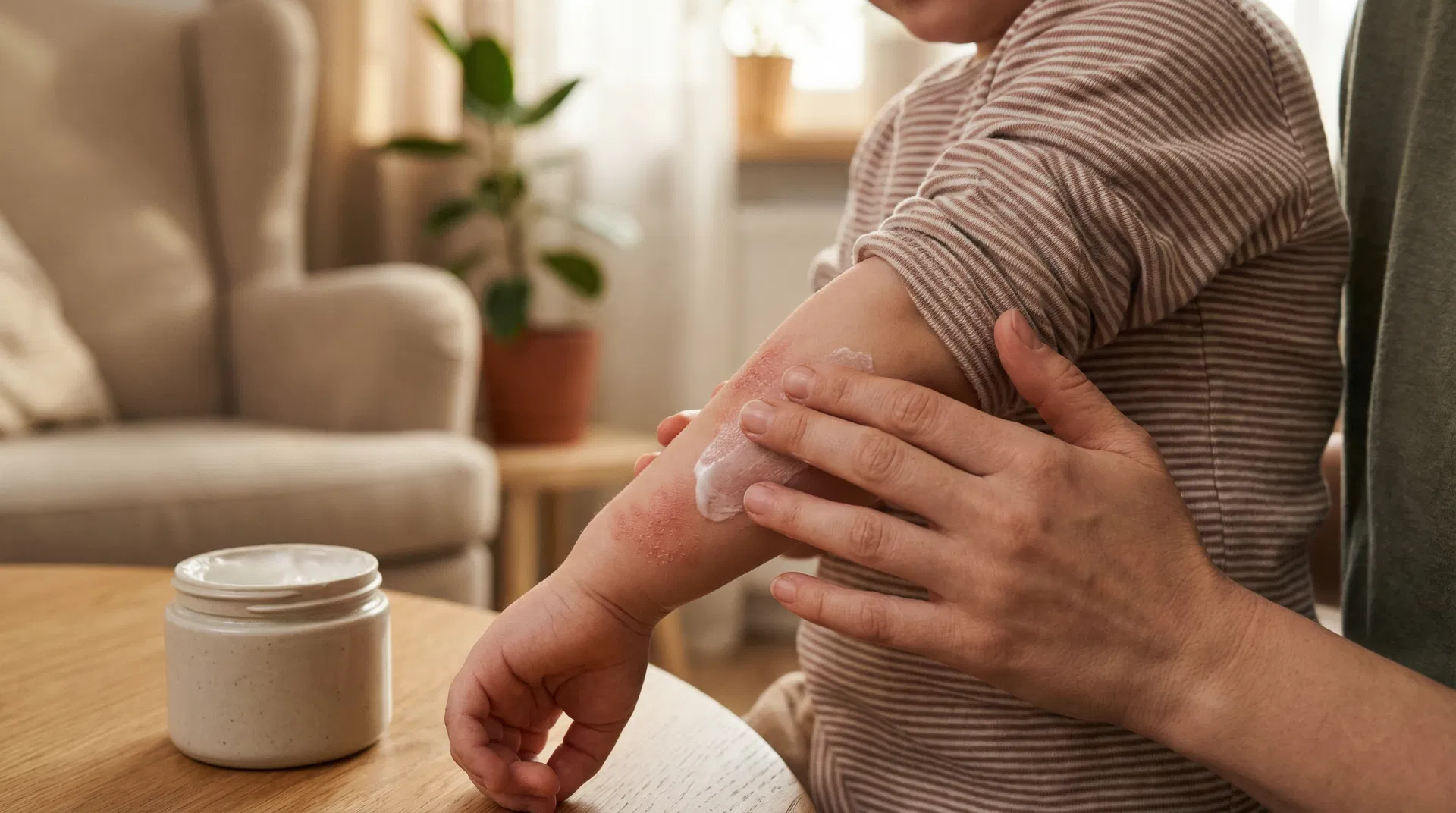
Managing Eczema During Elimination Diets: A Complete Guide
If your child has both eczema and suspected food allergies, you're facing a particularly challenging situation. Eczema (atopic dermatitis) and food allergies often occur together—studies show that up to 30% of children with moderate to severe eczema also have food allergies. When you embark on an elimination diet to identify food triggers, managing your child's eczema symptoms throughout the process becomes crucial for accurate results and your child's comfort.
This guide provides evidence-based strategies for managing eczema during an elimination diet, helping you distinguish between eczema flares caused by food triggers versus other environmental factors, and maintaining your child's skin health throughout the diagnostic process.
Understanding the Eczema-Food Allergy Connection
The relationship between eczema and food allergies is complex and bidirectional. Children with eczema have a compromised skin barrier—the outermost layer of skin doesn't function properly, allowing moisture to escape and irritants to penetrate more easily. This compromised barrier may also allow food proteins to enter the body through the skin rather than through the digestive system, potentially triggering allergic sensitization.
Research published in the Journal of Allergy and Clinical Immunology found that children with early-onset, severe eczema are at significantly higher risk of developing food allergies. The "dual allergen exposure hypothesis" suggests that exposure to food allergens through broken skin may promote allergic responses, while early oral exposure to these same foods may promote tolerance. This makes proper eczema management not just about comfort—it may actually help prevent food allergy development.
However, it's important to understand that not all eczema is food-related. Studies show that only about 30-40% of children with moderate to severe eczema have food triggers that worsen their skin condition. For many children, eczema flares are primarily driven by environmental factors like dry air, harsh soaps, rough fabrics, stress, or temperature changes rather than food.
Establishing a Baseline Skincare Routine Before Starting
Before beginning an elimination diet, establish a consistent, effective skincare routine for your child. This baseline routine serves two critical purposes: it helps calm existing eczema inflammation so you can more clearly see changes related to food, and it ensures that any skin improvements you observe during the elimination phase are actually due to removing trigger foods rather than simply better skincare.
Your baseline routine should include gentle cleansing with fragrance-free, soap-free cleansers designed for sensitive skin. Avoid traditional soaps, which strip the skin's natural oils and worsen the barrier dysfunction that characterizes eczema. Bathe your child in lukewarm (not hot) water for 5-10 minutes, then immediately pat the skin partially dry and apply a thick moisturizer while the skin is still damp to lock in moisture.
Moisturizing is the cornerstone of eczema management. Apply a thick, fragrance-free cream or ointment at least twice daily—once after bathing and once before bed. Ointments (like petroleum jelly) provide the most effective barrier but can feel greasy; thick creams are a good compromise. Avoid lotions, which contain more water and less oil, making them less effective for eczema. During an elimination diet, stick with the same moisturizer throughout so you're not introducing new variables.
If your child's eczema is moderate to severe, work with your pediatrician or dermatologist to establish a treatment plan that may include prescription topical corticosteroids or other anti-inflammatory medications. Use these medications consistently as prescribed during the first week of the elimination diet to get inflammation under control, then follow your doctor's guidance on tapering or maintenance use.
Documenting Eczema Severity: The Key to Identifying Food Triggers
Accurate documentation is essential for determining whether foods are actually triggering your child's eczema. Many parents are convinced certain foods cause flares, but when they carefully track symptoms, they discover the flares were actually related to other factors like weather changes, illness, or stress.
Take clear, well-lit photographs of your child's eczema on the first day of the elimination diet, capturing all affected areas from consistent angles. Take additional photos every 3-4 days throughout the elimination phase, and daily during food reintroductions. These visual records are far more reliable than memory when assessing whether skin condition has improved.
Use a standardized scoring system to track eczema severity. The SCORAD (SCORing Atopic Dermatitis) system is used by doctors but can be simplified for home use. Each day, rate the following on a scale of 0-3 (0=none, 1=mild, 2=moderate, 3=severe): redness, swelling, oozing/crusting, scratch marks, skin thickening, and dryness. Also rate itching intensity and sleep disturbance on a 0-10 scale. Record these scores in a journal alongside your food diary.
Track environmental factors that might influence eczema independent of food. Note weather conditions (temperature, humidity), stress levels, illness, new products used on skin or in laundry, changes in sleep patterns, and exposure to known irritants. This comprehensive tracking helps you identify patterns and avoid incorrectly attributing flares to food when other factors are responsible.
Managing Flares During the Elimination Phase
Even with perfect adherence to an elimination diet, your child may experience eczema flares during the 2-4 week elimination phase. This doesn't necessarily mean the diet isn't working—eczema is inherently variable, and flares can occur for many reasons unrelated to food.
When a flare occurs during elimination, first consider non-food triggers. Has the weather changed? Is your child fighting a cold? Did you switch laundry detergents? Is your child more stressed than usual? Did you skip moisturizing sessions? Often, these factors explain flares better than food exposure, especially if you're being careful about the elimination diet.
Treat flares promptly and aggressively. Apply prescription topical medications as directed by your doctor, increase moisturizing frequency to 3-4 times daily, and consider wet wrap therapy for severe flares. Wet wrapping involves applying medication and moisturizer, then covering the area with damp cotton clothing or bandages, topped with dry clothing. This intensive treatment can dramatically improve severe eczema within 24-48 hours.
If flares persist despite good skincare and strict elimination, consider whether hidden food allergens might be present in your child's diet. Carefully review all food labels, consider cross-contamination possibilities, and ensure all family members understand which foods are eliminated. Some parents find it helpful to simplify to a very basic diet of whole foods during elimination to eliminate any possibility of hidden allergens.
The Reintroduction Phase: Distinguishing Food Reactions from Coincidental Flares
The reintroduction phase is where you'll determine which foods, if any, actually trigger your child's eczema. This phase requires patience and careful observation, as eczema reactions to food are typically delayed, appearing 6-48 hours after consumption rather than immediately.
Reintroduce one food at a time, offering it in pure form (for example, plain milk rather than cheese or yogurt) for three consecutive days while monitoring for skin changes. If no reaction occurs after 3-5 days, the food is likely safe and can remain in the diet. If a reaction occurs, remove the food and wait until the skin returns to baseline before introducing the next food.
Eczema reactions to food triggers typically manifest as increased redness, itching, or the appearance of new patches. However, distinguishing a true food reaction from a coincidental flare requires careful analysis. A true food reaction should occur consistently with exposure to that food, improve when the food is removed, and worsen again if you rechallenge with the food after the skin has healed.
Some children show clear, dramatic reactions to specific foods—their eczema flares within 24 hours of eating the trigger food and improves within days of removing it. Other children show more subtle patterns that require multiple challenges to confirm. If you're unsure whether a food is truly a trigger, consider rechallenging it after 2-3 weeks. If the same pattern repeats, the food is likely a genuine trigger.
When Food Isn't the Answer: Alternative Eczema Management Strategies
For many families, a carefully executed elimination diet reveals that food is not a significant trigger for their child's eczema. This can be disappointing after investing weeks in the process, but it's valuable information that allows you to focus on other effective management strategies.
If you complete a thorough elimination diet without identifying food triggers, shift your focus to optimizing environmental control. Use a humidifier in your child's bedroom, especially during winter when indoor air is dry. Dress your child in soft, breathable cotton clothing and avoid wool or synthetic fabrics that can irritate skin. Keep fingernails short and consider cotton gloves at night to minimize damage from scratching during sleep.
Address the itch-scratch cycle, which perpetuates eczema regardless of triggers. Itching leads to scratching, which damages the skin barrier, which increases inflammation, which causes more itching. Breaking this cycle requires both treating the underlying inflammation with appropriate medications and providing alternative strategies for managing itch, such as cool compresses, distraction techniques, or gentle pressure instead of scratching.
Consider whether stress or emotional factors might be contributing to your child's eczema. Stress doesn't cause eczema, but it can trigger flares and worsen existing symptoms. For older children and teenagers, stress management techniques, adequate sleep, and addressing anxiety or depression can significantly improve eczema control.
Working with Healthcare Providers During the Process
While many families successfully complete elimination diets independently, working with healthcare providers ensures the best outcomes, especially when managing eczema simultaneously. A pediatric allergist can perform testing to identify true IgE-mediated food allergies, which may guide your elimination diet and help you avoid unnecessarily restricting foods that aren't actually problematic.
A pediatric dermatologist can optimize your child's eczema treatment regimen and help you distinguish between eczema flares caused by food versus other triggers. They can also identify whether your child has additional skin conditions (like contact dermatitis or fungal infections) that might be complicating the picture.
A registered dietitian who specializes in pediatric food allergies ensures your child receives adequate nutrition during the elimination phase, especially if you're removing multiple food groups. They can suggest appropriate substitutions, identify hidden sources of allergens, and help you plan balanced meals that support both skin health and overall growth and development.
Long-Term Eczema Management After Identifying Triggers
Once you've identified your child's food triggers (if any), you'll create a long-term management plan that avoids problematic foods while maintaining skin health through continued good skincare practices. Remember that avoiding food triggers, even when they're genuine, typically doesn't completely eliminate eczema—it reduces flare frequency and severity, but consistent skincare remains essential.
Many children outgrow food-triggered eczema as they get older. Work with your allergist to periodically rechallenge previously identified trigger foods, especially after 6-12 months of avoidance. Some children develop tolerance and can reintroduce foods that previously caused problems.
Maintain the effective skincare routine you established during the elimination diet. Even when food triggers are avoided, environmental factors, stress, and the inherent skin barrier dysfunction of eczema mean that daily moisturizing and appropriate use of anti-inflammatory medications remain crucial for long-term control.
The Bottom Line
Managing eczema during an elimination diet requires a systematic approach that addresses both food triggers and fundamental eczema care. By establishing a solid skincare routine, carefully documenting symptoms, and methodically testing foods, you can determine whether food plays a role in your child's eczema while maintaining their skin health throughout the process.
Remember that eczema is a complex condition with multiple triggers and contributing factors. Whether or not you identify food triggers, the skincare skills and symptom-tracking strategies you develop during this process will serve your family well in managing your child's eczema long-term.
Ready to start your elimination diet journey? Our 30-Day Elimination Diet Menu provides family-friendly meal plans specifically designed for children with eczema, and our 90-Day Symptom Journal includes specialized eczema tracking pages to help you identify patterns and triggers.
Ready to Identify Your Food Triggers?
Get our comprehensive elimination diet guides, meal plans, and symptom tracking tools.
Comments
No comments yet — be the first to share your thoughts!